In this post
- The old story: cacao began in Mesoamerica
- What the trees remember
- Santa Ana-La Florida: the 5,300-year-old evidence
- How do you find cacao in a 5,000-year-old pot?
- A path between the rainforest and the sea
- Criollo in the Peruvian Amazon
- Why this ancient story matters today
- From ancient cups to your morning ritual
- Bring the story to your cup
- References
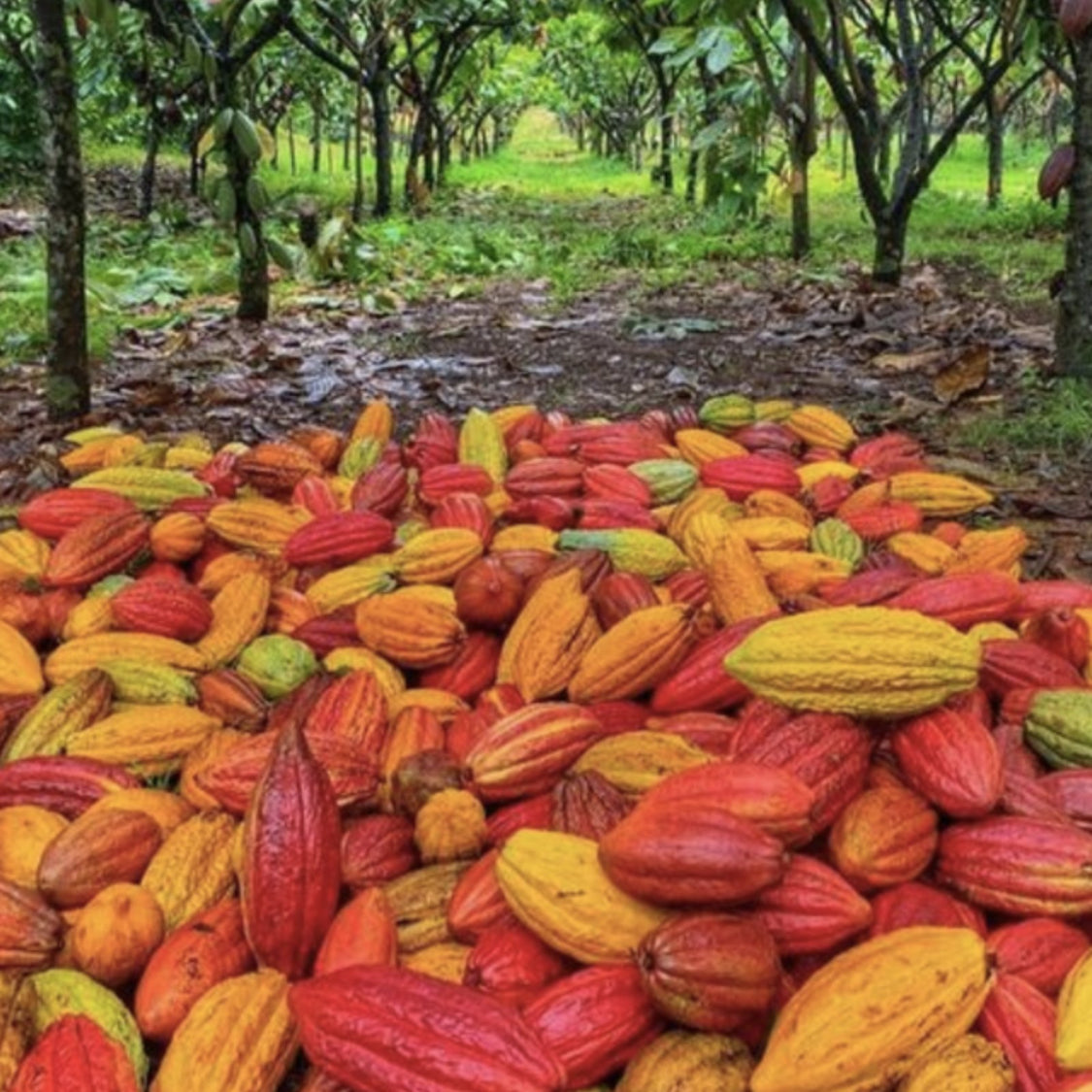
For a long time, the story of chocolate began in Mexico and Central America, with the Olmec, the Maya and the Aztecs. It is a beautiful story, and much of it is true. But over the past two decades, archaeologists and geneticists have found that cacao's story begins much earlier, and much further south: in the upper Amazon, the great rainforest region of northwest South America where our own cacao still grows wild today.
So where did cacao really begin, and how do researchers know? Here is what the evidence tells us, from 5,300-year-old pottery to the ancient DNA of the trees themselves.
The old story: cacao began in Mesoamerica
Cacao (Theobroma cacao) has long been thought of as a Mesoamerican crop. Researchers note that it was traditionally believed to have been first domesticated there, where it was prepared as a chocolate drink [1, 6]. The Maya, the Olmec and the Mokaya all left archaeological evidence of cacao's economic, social and cultural importance, and for a long time Criollo was considered the one variety grown across Mesoamerica and Central America [3].
Yet there was always a puzzle. The cacao tree is native to the Amazon basin [6]. If it had travelled north with people, then its deepest roots, and perhaps its earliest human story, should lie in South America.
What the trees remember
Every species carries a record of its past in its genes. Where a plant has lived the longest, it usually shows the most genetic variety, because it has had the most time to diversify.
In 2012, researchers at Bioversity International mapped the genetic diversity of 939 cacao trees from across Latin America, using 96 genetic markers. The highest diversity appeared in the upper Amazon, from southern Peru to the Ecuadorian Amazon and the border areas between Colombia, Peru and Brazil [6]. Their modelling also suggested that cacao was already widely spread through the western Amazon before the last glaciation, around 22,000 to 13,000 years ago, and that some genetic groups were later shaped by human management [6].
In other words, the trees themselves point to the upper Amazon as cacao's homeland. The question for archaeologists was whether people there had used cacao too, and how long ago.
Santa Ana-La Florida: the 5,300-year-old evidence
The answer came from a site called Santa Ana-La Florida, near the town of Palanda in southeast Ecuador, in the upper Amazon. The site was discovered by archaeologist Francisco Valdez and his Franco-Ecuadorian team, and it belonged to the Mayo-Chinchipe culture, the oldest known civilisation of the upper Amazon. Traces of their houses and a ceremonial site still remain [2].
In 2018, an international team published their findings in Nature Ecology & Evolution. Working with ceramic vessels from the site, they identified cacao through three independent lines of evidence, dating back about 5,300 years [1]. The authors describe these findings as the earliest evidence of cacao use in the Americas, and the first unequivocal archaeological example of its pre-Columbian use in South America. They also identify the upper Amazon as the oldest centre of cacao domestication found so far [1].
According to CIRAD, the French agricultural research centre whose geneticists ran the ancient DNA work, this predates the domestication of cacao by the Olmec and the Maya in Central America by some 1,500 years [2]. The Mayo-Chinchipe people consumed cacao almost continuously from at least 5,300 years ago until around 2,100 years ago [2].
Perhaps most moving of all is how they used it. The vessels came from tombs as well as homes, which the researchers say shows cacao was offered to the dead and also enjoyed every day [2]. Cacao was part of both ceremony and daily life, much as it is for many people who drink it today.
How do you find cacao in a 5,000-year-old pot?
Cacao seeds do not survive for thousands of years in a humid rainforest. So the team looked for the traces cacao leaves behind [1, 2]:
- Starch grains. Microscopic starch grains with a shape characteristic of the cacao genus, Theobroma, were found in the pottery.
- Theobromine. This gentle compound is found in mature cacao beans, and residues of it had soaked into the ceramic walls. (You can read more about it in Theobromine, Explained.)
- Ancient DNA. Despite heavy damage from the tropical climate, the team found DNA fragments specific to Theobroma cacao.
Together, these three independent lines of evidence, from vessels dated by radiocarbon, made a strong case [1].
A path between the rainforest and the sea
At Santa Ana-La Florida, archaeologists also found seashells, spondylus and strombus, that came from the Pacific coast. This shows the Mayo-Chinchipe were connected to coastal peoples far to the west [2].
A larger study in 2024 followed that thread. Researchers analysed ceramic residues from a wide range of pre-Columbian cultures across South and Central America, using both ancient DNA and chemical tests. They found that cacao was used widely in South America, beyond its native Amazon area, going back 5,000 years, likely through cultural exchange between the Amazon and the Pacific coast [3]. Cacao turned up in pottery of the Valdivia culture on the coast of Ecuador, which dates from about 3900 to 1400 BC [3].
The same study found that cacao from distant regions was being mixed, through people, as early as the middle Holocene, several thousand years ago, which helped the tree adapt to new places [3]. The authors describe the Mayo-Chinchipe-Marañón people as highly mobile, travelling the many river tributaries that flow into the Amazon, which allowed plants including cacao to spread quickly across the region [3].
(A note on funding: the 2024 study was publicly funded in France, and it also received financial support from the chocolate maker Valrhona [3].)
Criollo in the Peruvian Amazon
One finding from that 2024 study is especially close to our hearts. Ceramics from the Marañón culture in the Peruvian Amazon, from the Jaén archaeological site and dated to around 1880 to 1640 BC, carried cacao DNA from the Criollo and Curaray genetic groups [3].
This fits with earlier genetic work on Criollo itself. A 2002 study found that Criollo was grown by the Maya more than 1,500 years ago, and that the oldest Criollo trees most likely came from a few individuals in South America, which people may then have carried and spread through Central America [4]. So the cacao in the famous Maya cups had South American roots.
Researchers today describe the western Amazon as cacao's main centre of diversification, and its native fine-flavour cacao varieties as culturally important since pre-Columbian times [5].
Why this ancient story matters today
This is not only a story about the past. The authors of the 2024 study point out that cacao's long, people-shaped history is the basis of today's cacao tree populations, and that understanding it can help us look after cacao's genetic resources [3]. The 2012 diversity study made a similar point: knowing where cacao's original genetic groups live helps decide where to collect and conserve it, on farms and in the wild [6].
There is a living, human side too. Around 70% of the world's cocoa is grown by more than six million smallholder farmers, many on very low incomes [5]. In the western Amazon, interest is growing in moving from high-yielding bulk cacao back to native fine-flavour varieties. Researchers expect native cacao to suit the regional climate and growing conditions, and to support native biodiversity and services such as natural pest control and pollination, although it may also be more susceptible to some diseases [5]. Working together in cooperatives can also help farmers ride out the ups and downs of the cacao market [5].
In other words, the same region that gave the world cacao more than five thousand years ago may also hold some of its future.
From ancient cups to your morning ritual
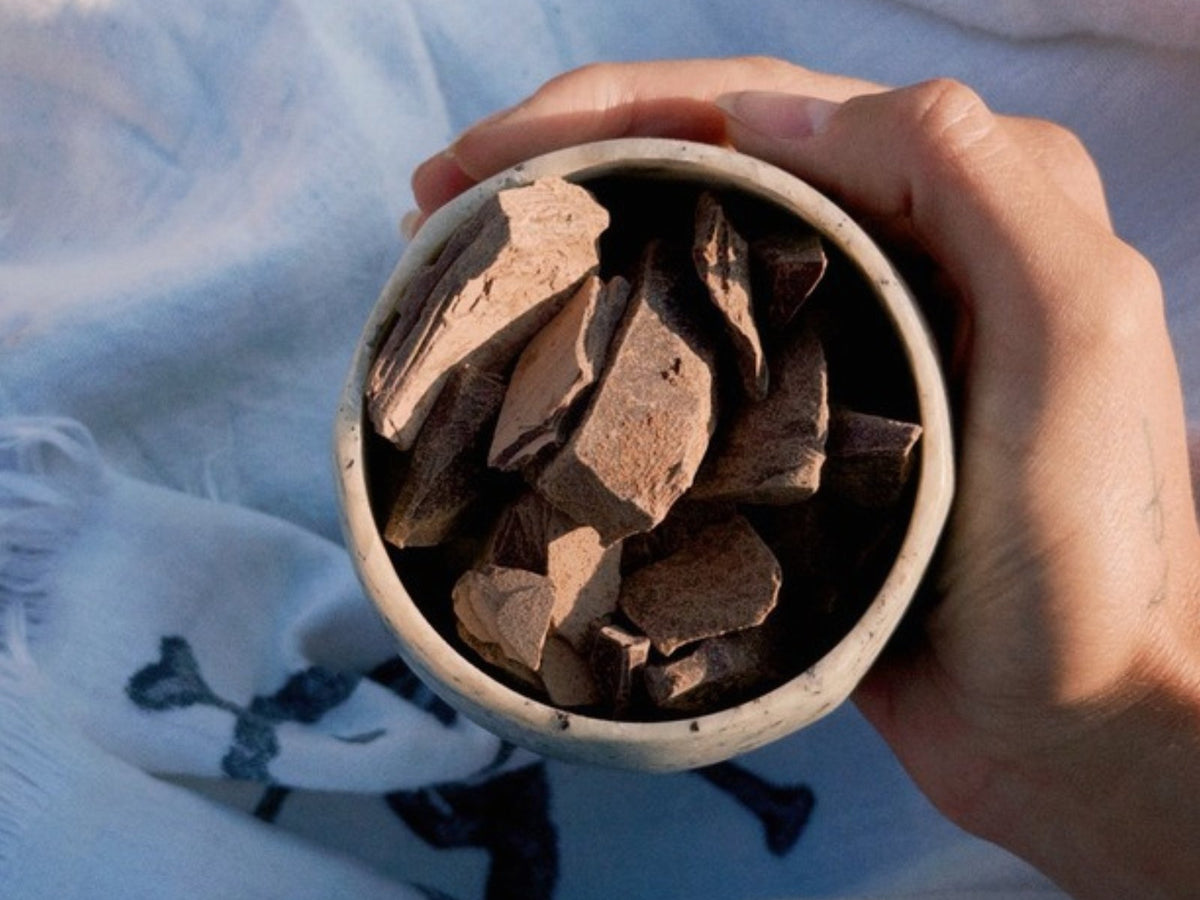
When you hold a cup of ceremonial cacao, you are taking part in a tradition with more than five thousand years of history. The details have changed since then, but the heart of it has not: people gathering cacao from the forest, preparing it with care, and sharing it at important moments and on ordinary days alike.
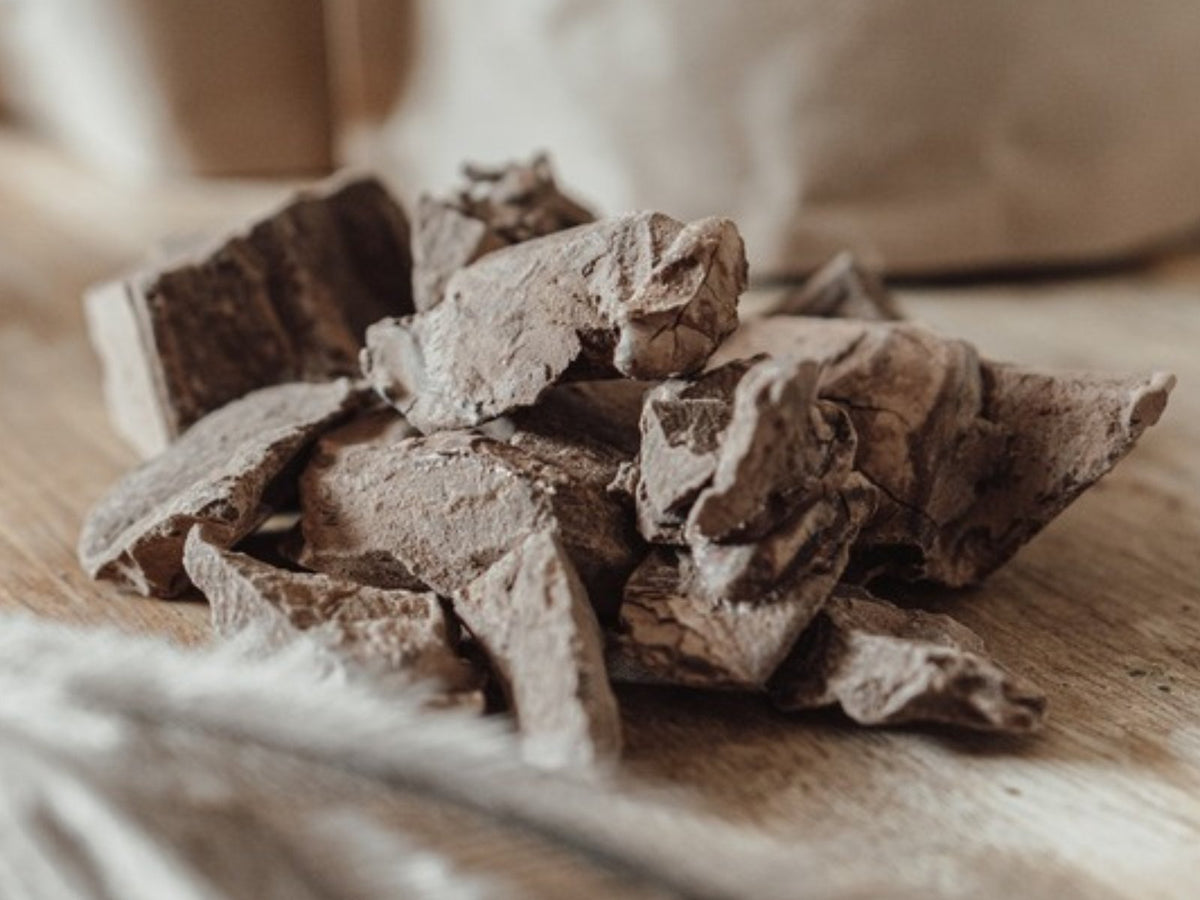
Our cacao comes from the same great upper Amazon region. It is Criollo, the world's original cacao bean strain, and it grows wild in Tarapoto, San Martín, in the north of Peru's Amazon. It is hand-picked, fermented, sun-roasted, air-dried and then cold-pressed into pure cacao paste, and it is lab tested in Australia. You can follow every step in From Pod to Paste: How Ceremonial Cacao Is Made, and read more about its home in Cacao's Rich History in the Amazonian Region of Tarapoto.
Bring the story to your cup
If you would like to honour this long history in a simple way, try this at home:
- Chop or measure 20g of cacao for an everyday cup, or 40–60g for a ceremony.
- Warm 150–200ml of water or mylk to 70–80°C. Keep it below boiling.
- Add the cacao and whisk or froth for at least 30 seconds until smooth and creamy.
- Before you sip, pause for a breath and think of the long line of hands, from the Mayo-Chinchipe to the farmers of today, that have carried cacao to you.
Our brewing guide has more detail, and the FAQ answers the most common questions. New to cacao? The Cacao Starter Kit is a lovely place to start, as is the 250g bag. If you love to chop your own, the 600g solid block is for you.
References
- Zarrillo S, Gaikwad N, Lanaud C, Powis T, Viot C, Lesur I, Fouet O, Argout X, Guichoux E, Salin F, Loor Solorzano R, Bouchez O, Vignes H, Severts P, Hurtado J, Yepez A, Grivetti L, Blake M, Valdez F. The use and domestication of Theobroma cacao during the mid-Holocene in the upper Amazon. Nature Ecology & Evolution. 2018;2(12):1879–1888. doi:10.1038/s41559-018-0697-x
- CIRAD. The Indians of the Ecuadorian Amazon were using cocoa 5,300 years ago (news release). EurekAlert!, 30 October 2018. eurekalert.org
- Lanaud C, Vignes H, Utge J, Valette G, Rhoné B, Garcia Caputi M, et al. A revisited history of cacao domestication in pre-Columbian times revealed by archaeogenomic approaches. Scientific Reports. 2024;14:2972. doi:10.1038/s41598-024-53010-6 (Funding: French National Research Agency, I-Site MUSE and Valrhona, among others.)
- Motamayor JC, Risterucci AM, Lopez PA, Ortiz CF, Moreno A, Lanaud C. Cacao domestication I: the origin of the cacao cultivated by the Mayas. Heredity. 2002;89(5):380–386. doi:10.1038/sj.hdy.6800156
- Tscharntke T, Ocampo-Ariza C, Vansynghel J, Ivañez-Ballesteros B, Aycart P, Rodriguez L, Ramirez M, Steffan-Dewenter I, Maas B, Thomas E. Socio-ecological benefits of fine-flavor cacao in its center of origin. Conservation Letters. 2023;16(1):e12936. doi:10.1111/conl.12936
- Thomas E, van Zonneveld M, Loo J, Hodgkin T, Galluzzi G, van Etten J. Present spatial diversity patterns of Theobroma cacao L. in the neotropics reflect genetic differentiation in Pleistocene refugia followed by human-influenced dispersal. PLoS ONE. 2012;7(10):e47676. doi:10.1371/journal.pone.0047676
A gentle note: ceremonial cacao is a whole food, naturally rich in theobromine. If you are pregnant, breastfeeding, or taking antidepressants (particularly MAOIs) or heart medication, please check with your doctor before drinking it.
A note from us: Our journal is shared for general education and inspiration. It is not medical advice, and nothing here is intended to diagnose, treat, cure or prevent any health condition. Research we mention is reported as research, not as a claim about our products. Everyone's body is different, so please speak with your doctor or a qualified health professional before changing your diet, especially if you are pregnant, breastfeeding, taking medication or managing a health condition.